
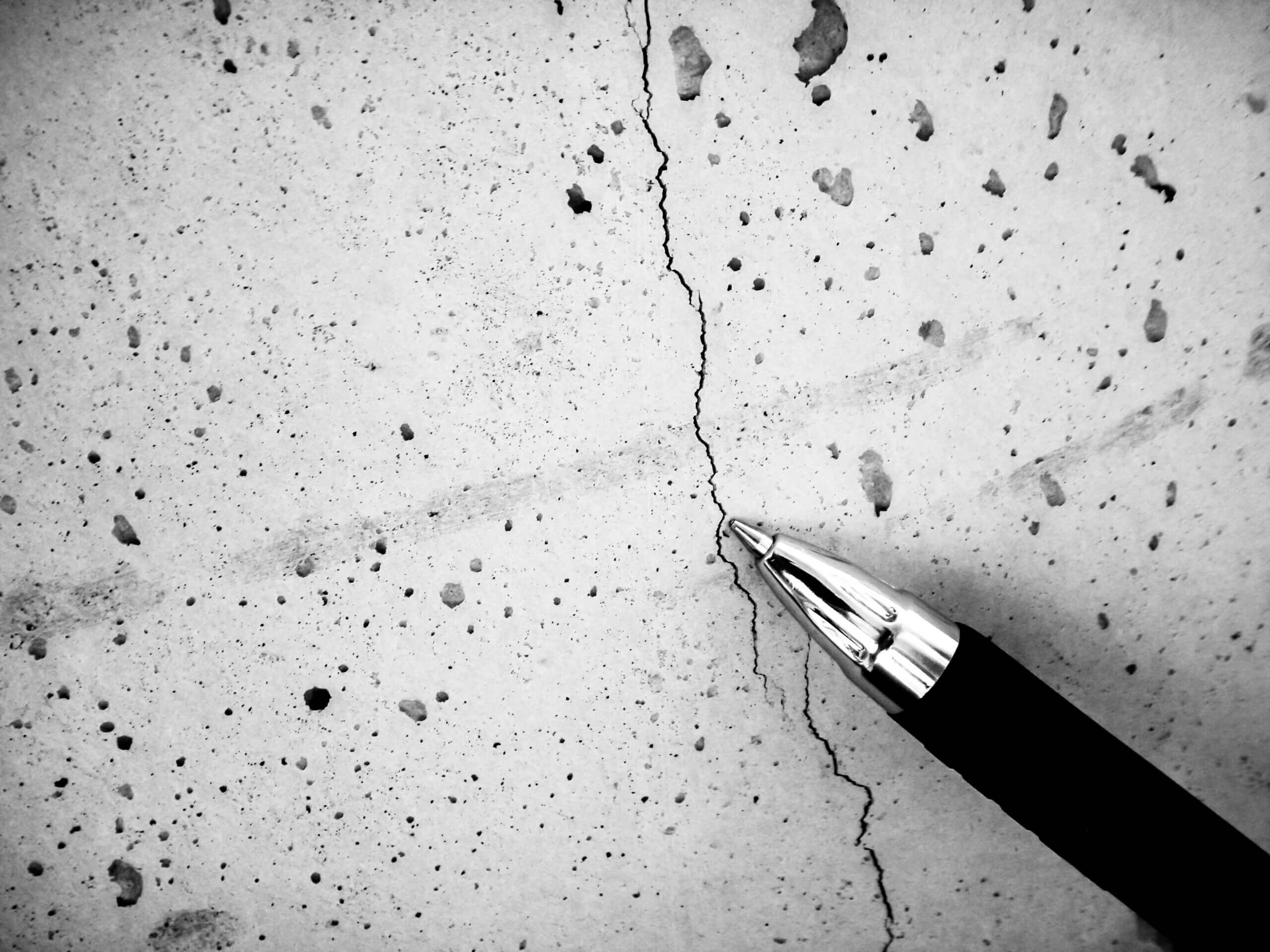
As concrete cures and hardens, it naturally shrinks, which can lead to shrink cracks. These cracks are common in both newly built homes and older foundations. Understanding why they form and what they mean can help homeowners make informed decisions about maintenance and repairs.
Shrink Cracks in New Construction
Homebuyers may notice small cracks in concrete slabs, driveways, and foundation walls of newly constructed homes. These shrink cracks occur because concrete loses moisture as it cures, causing slight contraction. While they are usually superficial and not structurally concerning, they can be unsightly and may allow moisture to seep in over time.
For homeowners looking to address shrink cracks in new construction, sealing them is a practical solution. Depending on the location, using a high-quality concrete sealant or epoxy injection can help fill and protect the cracks, reducing the risk of water damage and deterioration.
I always advise clients to be proactive, especially with exterior cracks in driveways, walkways, or foundations. Exposure to the elements and the weight of vehicles can cause further wear over time.
Vertical Shrink Cracks in Older Foundations
In homes with poured concrete foundations that are around ten years old, small vertical cracks (typically 1/4 inch wide or less) are common. These cracks usually result from the same shrinkage process seen in new construction, as the concrete continues to settle over time.
Although these cracks do not immediately threaten the foundation’s integrity, they should be monitored for any expansion or signs of water intrusion. If moisture begins to seep through, homeowners may consider:
- Epoxy or polyurethane injections to seal the cracks and prevent water penetration.
- Exterior waterproofing to further protect the foundation from moisture damage.
Horizontal Cracks: A Serious Concern
Unlike vertical shrink cracks, horizontal cracks in a foundation wall can indicate serious structural issues. These cracks often result from lateral pressure caused by soil expansion, water buildup, or freeze-thaw cycles. If left unaddressed, horizontal cracks can weaken the foundation, leading to bowing walls and increasing the risk of structural failure.
Homeowners who notice horizontal cracks should take immediate action by consulting a foundation specialist. Potential corrective measures include:
- Reinforcement with Carbon Fiber Straps – Adds strength and prevents further movement of the foundation wall.
- Steel Braces or Wall Anchors – In severe cases, structural reinforcement may be needed to stabilize and restore the foundation.
- Exterior Drainage Improvements – Proper grading, gutters, and drainage systems can help reduce lateral soil pressure and prevent further damage.
Conclusion
Shrink cracks in concrete are a natural part of the curing process, but their impact depends on their size, orientation, and location. While minor shrink cracks in new construction and older foundations may only require basic maintenance, horizontal cracks should be addressed promptly to prevent costly structural damage. Regular foundation inspections and proactive repairs can help homeowners protect their homes and ensure long-term stability