
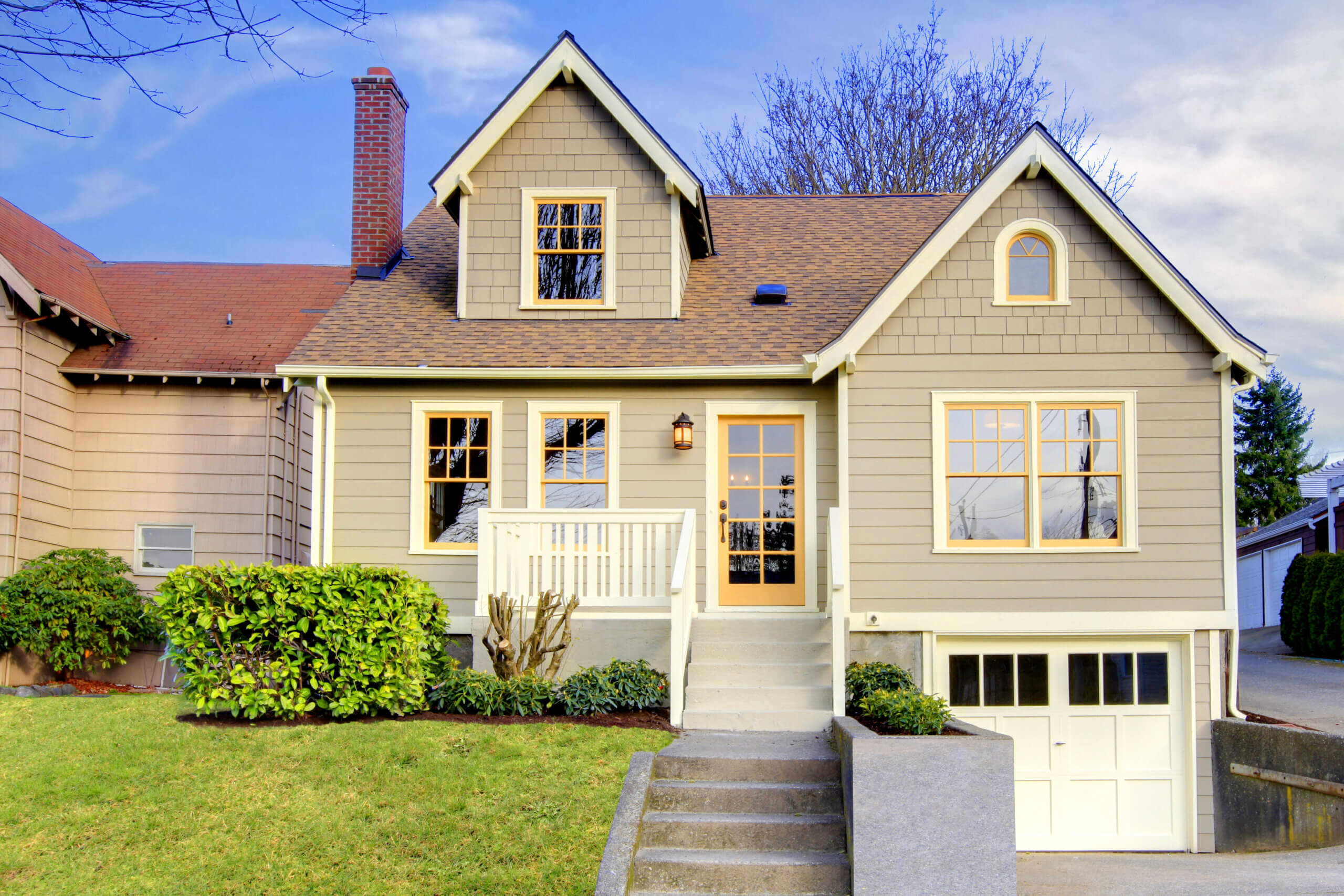
When buying an older home, it’s important to plan not just for the renovations you’re dreaming about, but also for the routine maintenance and behind-the-scenes work that will keep your home standing strong for decades to come. As a home inspector—and someone who owns a home that’s over 100 years old—I often share my own experience to help clients feel more confident in what can sometimes feel like a daunting decision.
Old homes often come with charm, solid construction, and great locations. But they may also include aging components or maintenance that’s been deferred or only partially completed. Even homes in good condition will have systems or features that you, as the new owner, will eventually need to update. Reviewing your home inspection report with this in mind might shift your priorities—but that’s not a bad thing. It’s just part of responsible homeownership.
When we bought our house, we knew the roof was aging and that both HVAC zones were approaching the end of their service life. Thankfully, those weren’t immediate expenses. At the time, we were also transitioning from walking to work to needing a second car, so spreading out big costs was a necessity. Over the first three years, we slowly learned how we wanted to live in the house. I built a Murphy bed in the room that’s now my office to give us flexibility when guests visit. We removed built-in speakers that were wired throughout the house—they just didn’t suit our needs. I’ll be honest, I don’t enjoy drywall repairs… and after 14 patches, I can say with certainty I still don’t.
A few years ago, when it was time to tackle the roof, we took advantage of a home improvement loan program offered through Hamilton County. It’s a short-term loan with interest partially matched by the county, which gave us enough breathing room to also upgrade the shower in our main bathroom. While we would’ve loved to do more, the shower was showing tile damage, and we wanted to fix it before it became a bigger problem.
Let me be clear—we didn’t buy a fixer-upper. The home was in good condition when we moved in, and everything we’ve addressed was aging or expected based on the inspection. Now, eight years in, we’re replacing the floor drains in the basement. It’s not the kind of project you see on Instagram, but it’s part of preserving the infrastructure of the home and making sure it can last another hundred years.
This past winter, knowing we’d be focused on the basement project, I painted the first floor and our bedroom. It helped cover some minor plaster cracks and gave the house a refreshed, cleaner feel. We’ve also done a lot with our outdoor space—building a paver patio ourselves and removing a couple of trees. One was storm-damaged; the other was too close to the foundation and already causing problems. During removal, we discovered it was mostly rotted inside—a good reminder that being proactive can save you from much bigger issues down the road.
None of these projects were cheap, and they did require us to prioritize financially. But that wasn’t a sacrifice—it was a decision to invest in the place where we spend most of our time. We’ve shared holidays with family, worked from home through the pandemic, and enjoyed the yard with our dogs. I have a basement shop that suits my needs, and we’re lucky to live in a walkable neighborhood with restaurants, convenience stores, and parks all nearby.
Do I regret buying another older home? Not at all. New construction has its perks, but for us, it would’ve meant a longer commute and less access to the walkable lifestyle we value. This home might not be our forever home, especially as my business grows and I start dreaming about a larger workshop—but for now, it’s the right home for us.
If you’re buying an old home, don’t let the big picture overwhelm you. You don’t need to do everything at once. With a clear plan, smart prioritization, and a little patience, you can tackle even the largest projects and truly make the home your own.